
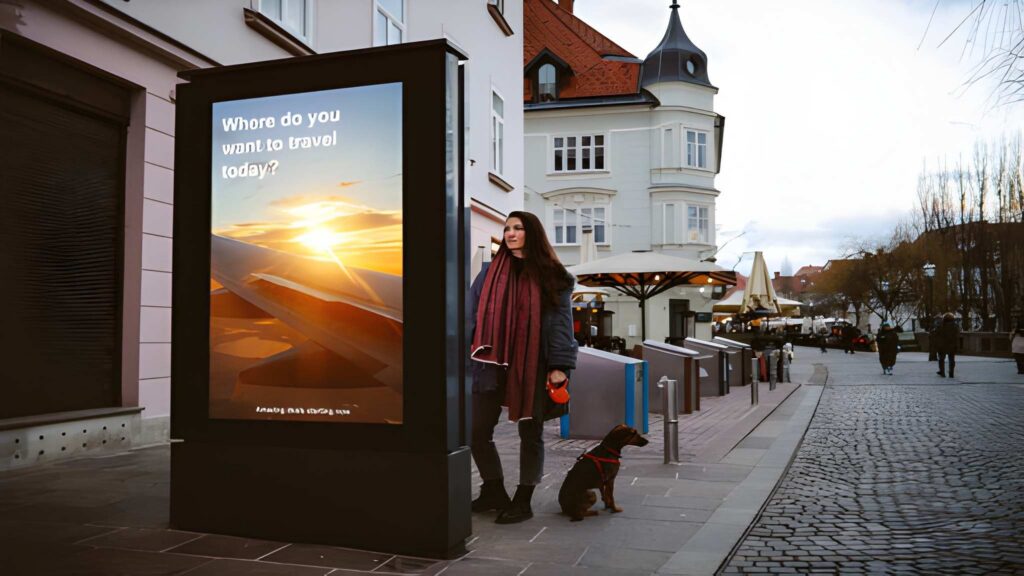
Outdoor Business Signs are often the first physical touchpoint a customer has with a business. Before someone walks through the door or reads a menu, they see the sign outside. For entrepreneurs, franchise owners, and commercial property owners preparing to design their first sign, the process involves far more than picking a font and a color scheme.
Advertising signs need to balance visibility, durability, local code compliance, and brand consistency. Getting these details right the first time saves money and avoids delays that come from rejected permits or signage that does not hold up outdoors. This guide walks through the key decisions involved in designing a commercial sign, from material selection to placement and ongoing maintenance. Businesses working with a local sign company Frisco Texas team can apply these same principles when planning their own signage project.
Why Outdoor Business Signs need careful planning
An outdoor sign is a long-term investment. Unlike indoor displays, exterior business signage faces sun, wind, rain, and daily wear. Additionally, many cities require permits before installation.
When sign planning is rushed, these issues are common:
Low readability from the street or parking lot
Fading, cracking, rust, or corrosion within a few seasons
Rejected permits due to size, placement, or design rules
Lighting that violates brightness limits or causes glare
Inconsistent branding across storefront and property signs
By planning early, you protect your budget and shorten the overall timeline.
Define the goal before you design
Before you choose materials or lighting, decide what the sign must do. A single commercial sign rarely solves every problem equally well. Clear goals will guide size, placement, and design style.
Common goals for outdoor business signage
Identification: Help customers find you quickly from the road
Wayfinding: Guide vehicles and pedestrians through a property
Branding: Reinforce your logo, colors, and typography
Promotion: Share hours, offers, or seasonal updates
For example, a storefront in a busy strip center may need strong pedestrian visibility. Meanwhile, a business set back from traffic may need a monument or pylon sign for distance viewing.
Choosing the right materials for outdoor business signs
Material choice affects durability, appearance, and maintenance. Your local climate matters, too. Heat, humidity, coastal air, and wind load can change what performs best.
Popular sign materials and when to use them
Aluminum: Great for panels and monument faces; lightweight and corrosion resistant
Acrylic: Ideal for illuminated cabinets and channel letters; diffuses light well
PVC: Cost-effective for short-term exterior use; less durable in extreme weather
Metal composite (ACM): Rigid and professional; common for storefront sign panels
Vinyl graphics: Best for windows, doors, and temporary promotions
Match material to sign type
Channel letters: Often acrylic faces with metal returns for depth and clean edges
Monument signs: Commonly aluminum or metal composite for long life outdoors
Window graphics: Vinyl lets you update hours, services, or offers quickly
Pylon signs: Need strong, rigid construction for height and wind exposure
If you are comparing options with a local provider, ask how sun exposure and prevailing wind affect the recommended build.
Lighting and visibility for exterior business signage
If your business operates at night, illumination is a must. Even daytime businesses benefit from lit signage in winter months. Additionally, good lighting improves readability from a distance.
LED lighting for channel letters and cabinets
LEDs are the most common solution for illuminated commercial signs. They last longer and use less energy than older systems. When planning LED sign lighting, focus on:
Even illumination: Avoid hot spots and shadows across faces
Weather sealing: Prevent moisture intrusion and electrical failure
Right brightness: Match the setting, whether a highway or a quiet retail street
Color temperature: Choose a tone that supports your brand colors
If you like a vintage look, LED neon-style options can replicate classic neon while reducing maintenance.
Attention-focused signs for promotions
Attention signs work best for short-term campaigns like grand openings or sales events. They should be easy to read in seconds.
High contrast colors
Short messages with large type
Placement where drivers and pedestrians naturally look
Lighting that stands out without creating distraction
Use these signs strategically. Overuse can reduce impact and clutter your brand presentation.
Placement and positioning that improves performance
Placement can make or break your results. Even the best design fails if people cannot see it. Therefore, confirm visibility from real viewing distances before fabrication.
Key placement factors to review
Line of sight: Avoid trees, poles, and parked vehicles blocking the sign
Viewing angle: Consider approach direction and traffic speed
Height rules: Local code often sets minimum and maximum heights
Setbacks: Many cities regulate distance from property lines and rights-of-way
Placement tips by sign format
Storefront signs: Typically above the entrance or on the façade
Monument signs: Usually near property entry while meeting setback rules
Window signage: Communicate clearly without blocking visibility inside
Directional signs: Install at decision points like entrances and intersections
Permitting and local sign codes
Most cities require permits for outdoor commercial signage. Skipping permits can lead to fines, forced removal, or redesign costs. Additionally, review timelines can add weeks to your schedule.
Common sign code requirements
Maximum sign area based on frontage or lot size
Height limits for monument and pylon signs
Illumination limits for brightness and hours
Setback distances and clearance requirements
Restrictions on flashing, animated, or digital elements
How to reduce permit delays
Confirm zoning before final design approval
Check for historic district or planned development rules
Submit detailed drawings with dimensions and lighting specs
Build review time into your launch plan
Brand consistency across outdoor signs
Many businesses use several sign types at one location. When they look consistent, brand recognition improves. In contrast, mismatched signs can make a business look disorganized.
Brand elements to keep consistent
Logo placement and scale
Color palette across materials and lighting
Typography and spacing rules
Lighting tone for illuminated elements
If you plan to expand, create a simple sign standard now. It will make future locations faster and more consistent.
Sign types to consider for a commercial property
Your best solution may include more than one sign. For example, a storefront sign can pair well with window graphics and directional signs.
Building-mounted signs
These include channel letters, flat-cut letters, and cabinet signs. They are often the primary identification sign on the façade.
Monument and pylon signs
Freestanding signs improve visibility for businesses set back from the road. They also help multi-tenant properties list several businesses clearly.
Window and door graphics
Vinyl window lettering is a flexible way to display hours, services, and promotions without structural changes.
Directional and wayfinding signs
Office parks and shopping centers often need wayfinding signage to reduce confusion and improve traffic flow.

Maintenance planning for outdoor business signage
Even durable signs need upkeep. Routine maintenance protects your investment and keeps your storefront looking professional.
Routine maintenance tasks
Clean sign faces to remove dirt, pollen, and pollution
Check lighting for flicker, dim spots, or uneven brightness
Inspect mounts and supports after storms and high winds
Replace faded vinyl or touch up paint when needed
Warning signs you should schedule service
Fading or discoloration
Uneven illumination on channel letters or cabinets
Loose panels, letters, or brackets
Storm damage, impact damage, or vandalism
Fixing small issues early usually prevents larger repair costs later.
Working with a local sign company
Designing a first commercial sign involves materials, lighting, placement, and permits. That is why many owners work with a local team that can manage the full process.
Businesses working with a local sign company Frisco Texas provider can apply the same principles in this guide. Elite Signs of Texas supports entrepreneurs, franchise owners, and property managers through design, fabrication, and installation based on site needs and branding.
If you want flexible promotional updates, consider LED message displays for changeable messaging without rebuilding the entire structure.
Conclusion
Outdoor commercial signs work best when you plan purpose, materials, lighting, placement, and code compliance together. When you take a methodical approach, your signage is easier to permit, easier to read, and more durable over time.
If you are ready to design or upgrade Outdoor Business Signs, contact us to discuss your location, branding goals, and permitting needs.