
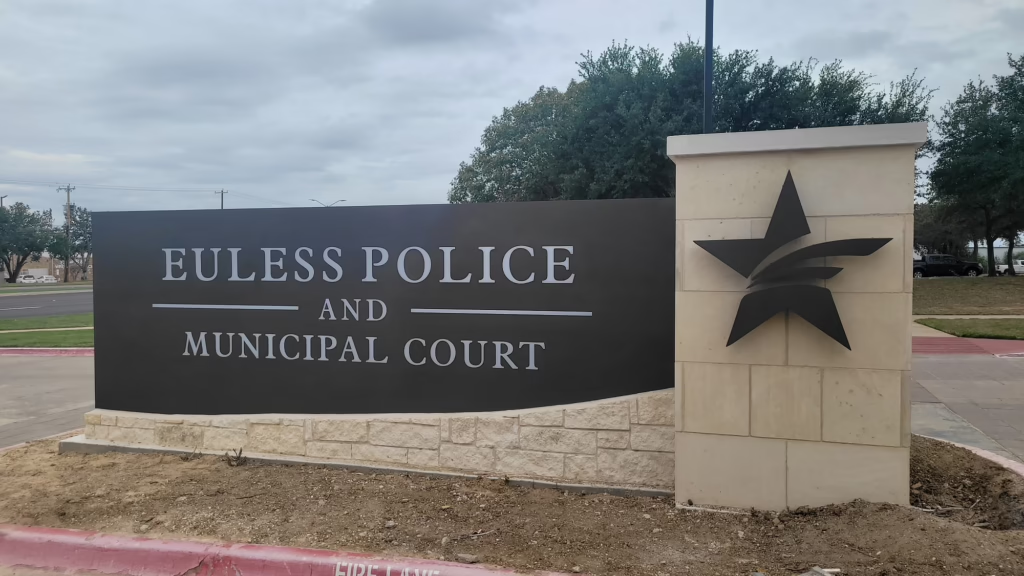
Business monument signs mark a property’s entrance and tell visitors where they have arrived. They sit close to the ground, stand on a solid base, and carry your name, logo, or address. A good one is easy to read, fits the site, and lasts for many years. A poor one can be hard to see, look out of place, or need early repairs.
This guide explains how to choose the right sign for your property. It covers size, materials, placement, lighting, branding, and local rules. It is written for property owners and businesses who want clear, practical advice. If you are new to the topic, you can start by reading about monument signs. A team such as Elite Signs of Texas can then help you turn your ideas into a finished sign.
What Business Monument Signs Are and Why They Matter
A monument sign is a freestanding sign built on a low base or solid structure. It does not sit on a tall pole. The sign face and the base often form one block. Many designs use brick, stone, metal, or a mix of materials.
People often see the monument sign before they see anything else on the property. It sets the first impression. It also helps drivers find the right driveway in time to turn safely.
Monument Signs and Pylon Signs
A pylon sign, or pole sign, is tall and thin. It lifts the message high above the road. A monument sign is lower and wider. It suits places where height is limited or where a softer look is wanted.
Both types have a place. Pylon signs help drivers spot a business from far away. Business monument signs give a clear, steady message at the entrance. Some properties use both.
Where Entrance Signs Are Used
Entrance signs of this type appear in many places, including:
Office parks and corporate campuses
Medical and dental buildings
Schools and churches
Shopping centers and retail strips
Hotels and apartment communities
Industrial and warehouse sites
In each case, the sign guides visitors and reflects the property’s quality.
Start With Your Goals
Before you look at designs, decide what the sign must do. Your answers shape every other choice.
Ask yourself these questions:
Who needs to read the sign: drivers, walkers, or both?
Is the sign for one business or many tenants?
How fast is the traffic on the road?
Do you need to change the message over time?
What look fits the building and the neighborhood?
A single-tenant office may only need a name and an address. A shopping center may need panels for several tenants. A school or church may want space to change messages. Clear goals make monument sign design much easier.
Size: How Big Should Business Monument Signs Be?
Size is one of the first questions people ask. The right size is not simply the largest one allowed. It is the size that people can read at a safe, comfortable distance.
Viewing Distance and Speed
Think about where people will see the sign. A driver on a slow street has more time to read than a driver on a fast road. The faster the traffic, the larger and simpler the message should be.
A common rule of thumb is about one inch of letter height for every 10 feet of viewing distance. Use this as a starting point, not a rule. Light, contrast, and font style also affect how easy a sign is to read.
Letter Height and Message Length
Fewer words allow larger letters. A name and a logo are often enough. Long lists of services or phone numbers are hard to read from a car. Save those details for your website or storefront.
For commercial monument signs with several tenants, plan panel size carefully. Each name needs enough room to stay readable. Leave extra panels for future tenants if you expect change.
Local Size Limits
Most cities limit sign height, width, and area. These limits depend on the zone and sometimes on the road type. Property owners and landlords may add their own limits. Confirm all limits early, so your design fits the rules from the start.
Materials for Commercial Monument Signs
Materials affect cost, looks, and lifespan. They also decide how much care the sign will need. The best choice depends on climate, budget, and style.
Aluminum
Aluminum is a popular choice for sign cabinets and faces. It is strong, lightweight, and rust-resistant. It can be cut, shaped, and painted in many colors. With a good finish, it stays attractive for years in sun and rain.
Acrylic and Other Plastic Faces
Acrylic is often used for lit faces and raised letters. It lets light pass through, so letters glow at night. Quality acrylic and UV-resistant coatings help prevent fading and yellowing. Ask about the finish used on the face, since sun can damage poor materials.
Brick and Stone
Brick and stone give a classic, solid look. They are often used on the base of business monument signs. They can match the building so the sign and property feel like one design. Masonry is heavy and needs a strong foundation. It also costs more to build.
Concrete, Stucco, and Synthetic Bases
Some bases use concrete or stucco over a frame. Others use high-density foam or similar synthetic materials with a stone or brick look. These can cost less than real masonry and weigh less. Ask how the base is built, how it handles water, and how it ages.
Placement: Where to Put Entrance Signs
Even a great sign fails if people cannot see it. Placement affects how quickly drivers notice the sign and how safely they turn into your property.
Sightlines and Setbacks
Place it where drivers first see your entrance. Look for trees, poles, fences, or buildings that block the view. Place the sign so it is clear from both directions if possible.
Cities often require a minimum distance from the street, the curb, or the property line. This is called a setback. Rules also protect clear views at driveways and corners so that cars can see each other. Confirm these details before you finalize the location.
Utilities and Easements
Many properties have buried lines for water, gas, power, and data. Some also have easements that limit what can be built. Digging without checking can be costly and unsafe. Call 811 before any digging, and ask your sign company how it handles utility checks.
Foundation and Soil
A monument sign needs a strong foundation. Soil type matters. In many parts of North Texas, clay soil swells when wet and shrinks when dry. This movement can crack bases or tilt signs with a poor footing. A sound footing design helps the sign stay level.
Landscaping and Maintenance Access
Plants around the base soften the sign’s look. But tall plants can hide the message, and sprinklers can spray the face. Choose low plants and aim the water away from the sign. Leave space for crews to clean, repair, and replace parts.
Monument Sign Design and Branding
Good monument sign design makes your brand easy to recognize. It also ties the sign to the building. The sign should look like it belongs on the property.
Keep the Message Simple
A clean layout is easier to read. Use your name, your logo, and an address or a key line. Avoid crowding the sign with too much text. White space is not wasted space. It helps the main message stand out.
Use Strong Contrast
Contrast between letters and background is key. Dark letters on a light face, or light letters on a dark face, are easiest to read. Low contrast can look nice up close but disappear from the road. Test your colors in sun, shade, and at night.
Match the Building and Brand
The sign should echo the building style. Use the same stone, brick, or color palette where it makes sense. Keep your logo, fonts, and colors consistent with your other marketing. A consistent look builds trust and helps people remember you.
A skilled team can guide you through business sign design from the first sketch to the final proof. Digital proofs let you see the layout before anything is built. This is the best time to change colors, spacing, or text.
Choose a Readable Font
Simple fonts work best on roadside signs. Very thin or fancy fonts can be hard to read at speed. Check how the font looks at the planned size, from the planned distance.
Lighting Options for Business Monument Signs
A sign that cannot be seen at night works only half the day. Lighting helps drivers and visitors find your property after dark.
Internal LED Lighting
Many modern signs use LEDs inside the sign face. The letters or panels glow evenly. LEDs use less power than older lighting and often last longer. If you want high-quality LED signs for an entrance, ask about module quality, power supplies, and the warranty. You can read more about high-quality LED signs and the types of signs Elite Signs of Texas offers.
External Lighting
Some designs light the sign from outside. Small fixtures near the base shine up onto the face. This works well for stone and brick signs with raised letters. It gives a softer look. Place fixtures and shields carefully to prevent glare for drivers and neighbors.
Controls and Timers
Timers and light sensors turn the sign on at dusk and off at night. Some systems can lower brightness to avoid glare. Ask about these controls early, since adding them later can cost more.
Permits and Local Rules
Most cities require a permit before a monument sign is built. The permit process checks size, height, setbacks, lighting, and safety. Some areas also have design rules for shopping centers or planned communities.
Common steps include:
Confirming the zoning for your property
Getting approval from your landlord or owners association
Preparing a site plan and sign drawing
Submitting the permit application
Passing any required inspections
Rules vary from city to city. If you search for business signs near me, check that the company knows the rules where you are building. Ask whether they handle permit work or only the sign itself. Clear answers early can prevent delays later.
Cost and Upkeep of Commercial Monument Signs
Cost depends on many things. A single number would be misleading, since every sign is different. These factors have the biggest effect:
Size and height
Base materials such as brick or stone
Type of sign face and lettering
Lighting and electrical work
Foundation and site work
Permits and installation
It also helps to think about long-term cost. A sign built with strong materials may cost more at first. But it may need fewer repairs and look good for longer.
Simple Upkeep Tips
Most monument signs need little care. A few habits help them last:
Wash the face gently with mild soap and water.
Check lighting regularly for dark spots or flicker.
Inspect the base for cracks, loose stone, or water stains.
Trim plants and keep sprinklers away from the sign.
Schedule repairs as soon as you notice a problem.
Some sign companies offer repair and maintenance services after installation. Ask what is available before you sign a contract.
A Simple Process to Choose Your Sign
Follow these steps to keep your project on track.
Step 1: Set Your Goals and Budget
Write down what the sign must do and what you can spend. Include the base, lighting, permits, and installation in your budget. Leave a small reserve for surprises.
Step 2: Review the Site and Rules
Walk the property and check sightlines. Learn the local sign rules and any landlord requirements. Take photos and mark possible locations.
Step 3: Pick Materials and Style
Choose materials that suit your building and climate. Decide if the sign needs lighting. Keep maintenance in mind.
Step 4: Review Design Proofs
Look at digital proofs closely. Check spelling, spacing, colors, and logo placement. Ask for changes before production begins.
Step 5: Plan Installation and Care
Confirm the schedule, who handles permits, and how the sign will be installed. Ask about care tips and repair options after the sign is in place.
Working With a Sign Company
Choosing a sign company is as important as choosing a design. Look for a team that can handle design, building, and installation. Ask to see examples of similar projects.
Elite Signs of Texas serves businesses across Denton County and other areas of Texas. According to the company, its work includes monument signs, channel letter signs, pylon and pole signs, LED and neon signs, directional and wayfinding signs, and interior signs. Its process includes a consultation, custom design, digital proofs, fabrication, installation, and maintenance. The company also states that it offers free designs and estimates.
If you are searching for a business sign company in Denton, owners can contact and ask these questions:
Can you show similar monument sign projects?
How do you handle design proofs and approvals?
Do you help with permits and site checks?
What materials do you suggest for my climate and budget?
What repair and maintenance options are available?
Clear answers to each question show the team understands your needs.
Conclusion
Choosing business monument signs takes planning, but the steps are simple. Start with your goals. Pick a size that people can read from the road. Choose materials that fit your site and budget. Place the sign where it is clear and safe. Then shape the monument sign design around your brand, so the sign feels like part of the property.
Good commercial monument signs also respect local rules, use sound foundations, and include lighting that works at night. Together, these elements create entrance signs that welcome visitors and support your brand for years.
If you are planning a new sign or an upgrade, contact Elite Signs of Texas to discuss a monument sign for your property. Share your location, your logo, and your goals. The team can explain your options and the next steps.
Frequently Asked Questions
What are business monument signs?
Business monument signs are freestanding signs built on a low base or solid structure. They are placed at the entrance to a property. They show a name, logo, address, or tenant list, and they help visitors find the right driveway.
How big should a monument sign be?
The size depends on viewing distance, traffic speed, and local rules. A common guide is about one inch of letter height for every 10 feet of viewing distance. Always check city limits and landlord rules before you finalize the design.
What materials are best for commercial monument signs?
Aluminum, acrylic, brick, stone, and coated concrete are common choices. Aluminum and acrylic work well for faces and letters. Brick and stone suit bases that match a building. The best choice depends on your style, budget, and upkeep plans.
Do entrance signs need a permit?
In most cities, yes. Permits often check size, height, setbacks, lighting, and safety. Landlords or owners’ associations may also need to approve the plan. Confirm local rules before you order, or ask your sign company if they can help with approvals.
How long does it take to make and install a monument sign?
Time depends on the design, materials, permits, and site work. Elite Signs of Texas says most business signs are completed within a few weeks from design approval to installation. Permit approval and complex bases can add time, so ask for a schedule early.